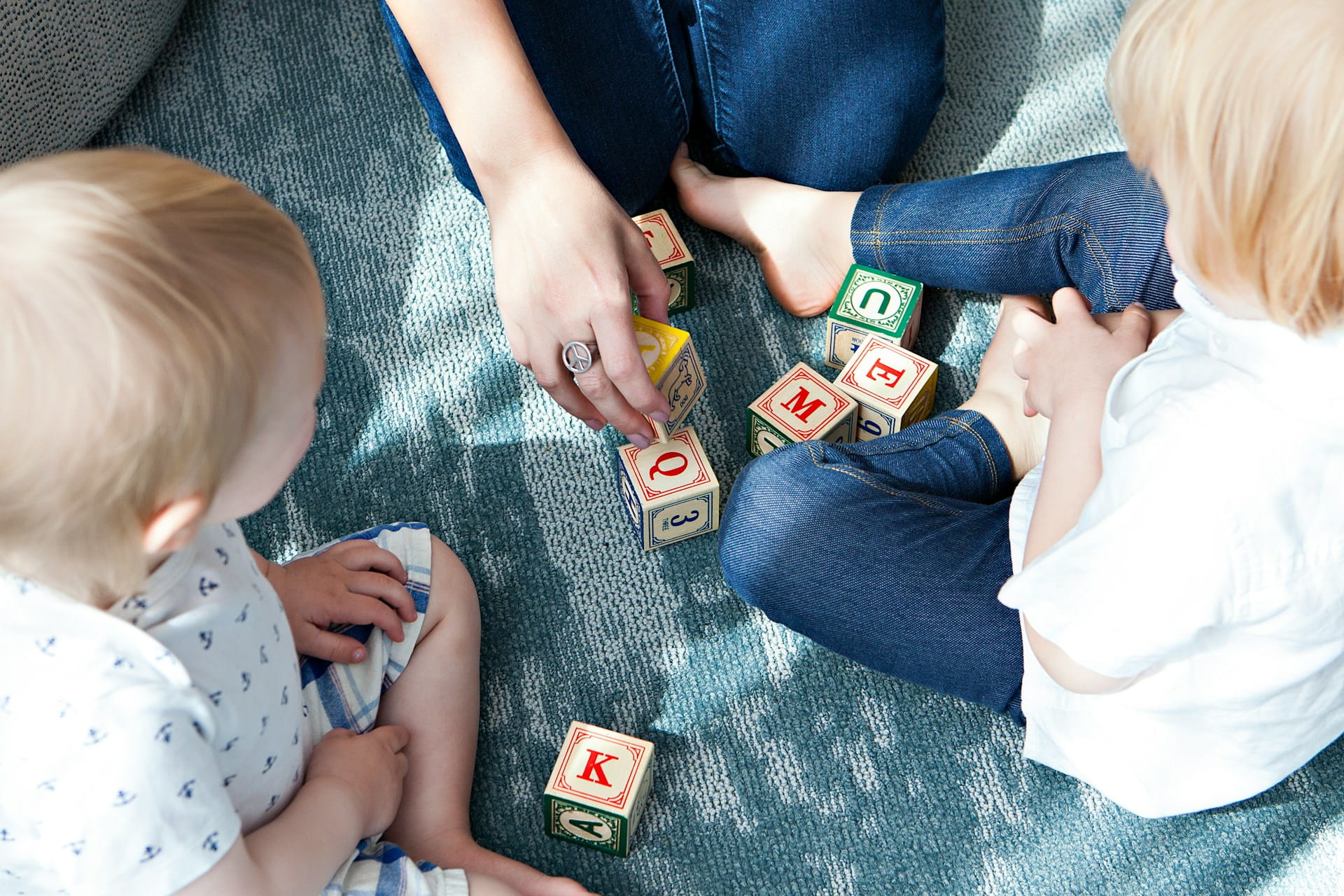
Children have a way of asking the biggest questions in the middle of ordinary moments. You’re walking to school and hear: “Why is that man sleeping outside?” Or in the supermarket queue seeing the donation box: “Why should we give our shopping away?”
Suddenly, you’re in a conversation about poverty and inequality before you’ve even had your morning coffee.
Many of us grew up with the 90s version of these chats: “Eat your cereal, there are starving children in Africa who’d love it.” The intention was good, but it often left us feeling guilty rather than empathetic. What children need isn’t pity or shame, but kindness, honesty, and the sense that they can be part of making the world fairer.
Empathy, Not Pity
When children ask why someone doesn’t have a home or why food is being given out at a church, it helps to keep the answer simple.
● “Some families don’t have enough money for food right now, so the church helps them.”
● “That man doesn’t have a home at the moment. It can happen for many reasons, and
there are people trying to help.”
The most important thing is to be warm and factual. Children don’t need a long explanation, just the reassurance that poverty isn’t about personal failure and that kindness is always the right response.
Privilege Without Guilt
Children will often notice the difference: “Why do we have a house and they don’t?” This is a chance to talk about privilege in a way they can understand.
● “We are lucky we can afford food and rent. Not everyone has the same chances, and
that isn’t fair.”
The aim is not to make your child feel guilty. It is to help them recognise inequality without ignoring it. The more open we are about privilege, the easier it becomes for children to grow into adults who want to change unfair systems.
Kindness In Action
Children often feel better when they can do something to help. That might be donating food to a food bank together, supporting a homelessness charity, or simply smiling and saying hello. These small acts show that empathy is not just a feeling but something we practice.
Keep The Conversation Open
Poverty and inequality are not one-off chats. They sit alongside ongoing conversations about kindness, fairness and friendship. Your child may return with more questions, often when you least expect it, and that is a positive thing. It shows they trust you to help them make sense of the world.
We can’t shield our children from noticing inequality. What we can do is give them ways to understand it with compassion instead of pity, and with curiosity instead of guilt. That is how we raise a generation who believe everyone deserves dignity, and who are willing to fight for it.
Booklist: Talking to Children About Poverty and Inequality
Children notice the world around them. I hope these books can help parents answer tough questions about poverty, food banks, and homelessness in ways that are honest but also hopeful.
Picture Books
● Last Stop on Market Street by Matt de la Peña
A child and his grandmother ride the bus through their city, noticing the beauty in
everyday life and the importance of community.
● Those Shoes by Maribeth Boelts
Jeremy longs for trendy shoes but learns that kindness and generosity matter more than
possessions.
● Saturday at the Food Pantry by Diane O’Neill
A sensitive story about a little girl’s trip to a food pantry, showing dignity and community
care.
● Maddi’s Fridge by Lois Brandt
Two friends discover one doesn’t always have enough food at home, leading to
conversations about helping each other.
Short Chapter Books Deeper Stories
● A Shelter in Our Car by Monica Gunning
A child and her mother live in their car after losing their home. It handles homelessness
with honesty and hope.
● Yasmin the Chef by Saadia Faruqi
Light-hearted but touches on resourcefulness, highlighting how families can enjoy
cooking even with limited ingredients.
● One Hen: How One Small Loan Made a Big Difference by Katie Smith Milway
Based on a true story of how microloans helped transform a community, teaching
children about fairness and economic inequality.
A gripping story about a girl’s family losing their home, weaving in themes of poverty,
literacy, and hope.
● The Can Man by Laura E. Williams
A boy learns about homelessness and empathy while collecting cans to raise money.
Tweens & Teens
● No Fixed Address by Susin Nielsen
A 12-year-old boy hides the fact that he and his mum live in a camper van. Sensitive,
funny, and deeply empathetic.
● How to Build a Better World by Keilly Swift Non-fiction guide
that gives teenagers practical ways to take action on issues like poverty, inequality, and
justice.
● A Place to Stay: A Shelter Story by Erin Gunti
Explores the experiences of families in shelters, designed for older readers to build
understanding and empathy.
For Families to Read Together
● The Invisible Boy by Trudy Ludwig
While more about loneliness, it opens up important conversations about being left out
and noticing others’ needs.
● Maybe Something Beautiful by F. Isabel Campoy Theresa Howell
Shows how communities can transform together through kindness, creativity, and hope.
When reading these books, pause for a moment if your child asks “why?” or looks puzzled. Keep answers simple, honest and compassionate. The books do most of the heavy lifting.
Where possible I’ve linked second hand books, some of these are really golden oldies and are a bit more expensive but are likely to be in your local library. Remember, most libraries have a process for buying books you request. I hope these help you navigate conversations as we raise a kinder generation.
Investing puts your capital at risk. The value of investments can go down as well as up, and you may get back less than you put in. If you’re not sure whether an investment is right for you, it’s best to speak to a qualified financial adviser.
Mia Wealth Limited (Mia Wealth) is an appointed representative of RiskSave Technologies Ltd, which is authorised and regulated by the Financial Conduct Authority (FRN 775330). Mia Wealth is a company registered in England and Wales (No. 15818371). Mia Wealth can be found on the Financial Conduct Authority Financial Services register under FRN 1033918. Our address is Fairbourne Drive, Atterbury Lakes, Milton Keynes, England, MK10 9RG.